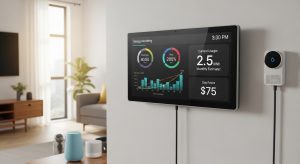
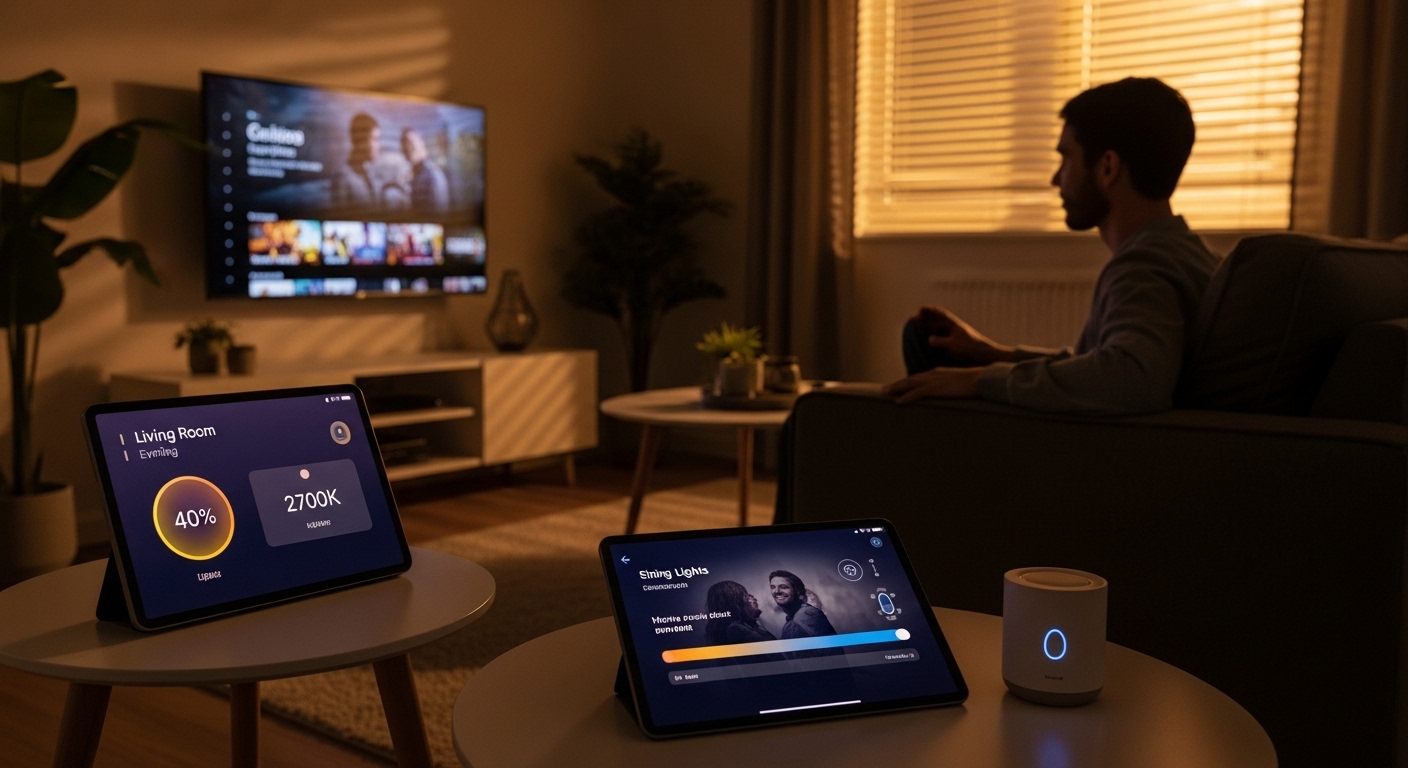

The world of smart home tech is exciting—but it can also feel overwhelming. You may have smart speakers, lights, thermostats, cameras, and locks, each requiring a different app. The result? App overload.
Table of content
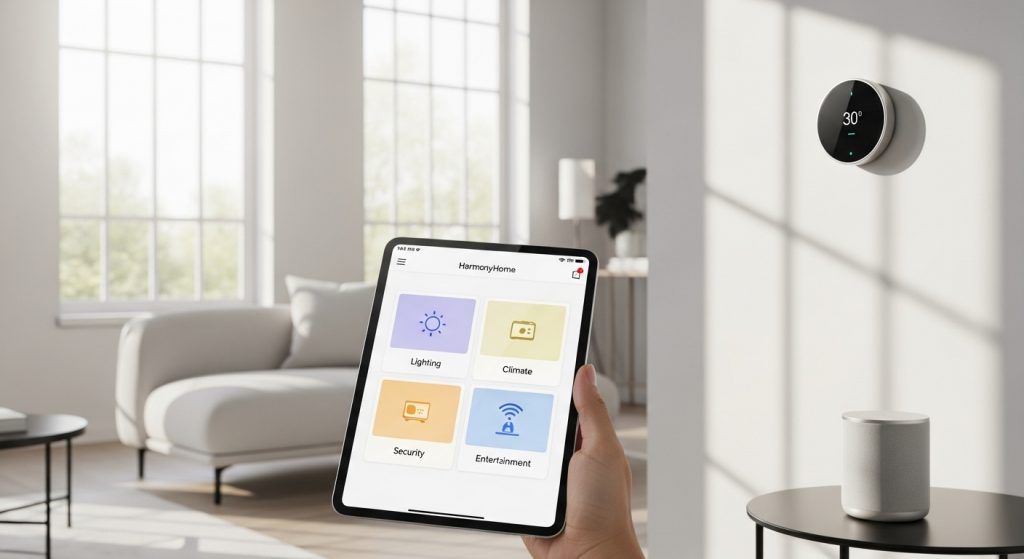
The solution is simple: choose one of the best smart home automation apps 2025 has to offer. These apps act as your home’s “command center,” allowing you to control, automate, and monitor everything from a single interface. But with so many choices, which one is right for you? We analyzed the top contenders, their ecosystems, and unique features to help you decide with confidence.
The Big Players: Ecosystems & Compatibility
When it comes to automation apps, the most popular options are tied to big tech ecosystems: Amazon Alexa, Google Home, and Apple Home. These are more than apps—they’re entire platforms designed to integrate devices seamlessly.

Amazon Alexa
Amazon Alexa remains a powerhouse in 2025, with compatibility across more than 300 million Alexa-enabled devices and strong support for the open Matter standard. Alexa is perfect for users who want a wide range of device options and robust voice control capabilities. You can set up routines, control devices remotely, and even use Alexa Guard for basic home security.
Google Home
Google Home offers a smooth experience—especially for Android users. It integrates beautifully with Nest products and provides an intuitive dashboard for managing devices and creating automation routines. Google’s AI smarts make it great at context-aware actions, like adjusting lights or thermostats when it detects you’re home.
Apple Home (HomeKit)
Apple Home is the go-to choice for iPhone and iPad owners who prioritize privacy and security. While its device selection is narrower than Alexa or Google, HomeKit offers end-to-end encryption, seamless Siri voice control, and a clean interface. If you’re all-in on the Apple ecosystem, this is the most cohesive and secure option.
Open-Source & Hub-Based Options for Power Users
Beyond the big three, there are excellent alternatives for users seeking greater control, customization, or privacy.
Home Assistant

For tech-savvy users, Home Assistant is one of the most powerful and private smart home solutions. It’s open-source, supports 3,000+ integrations, and offers local processing—meaning your automations continue working even if the internet goes down. You can create advanced routines, custom dashboards, and even control devices offline. Its learning curve is higher, but its flexibility is unmatched.
Samsung SmartThings

Samsung SmartThings is a versatile platform supporting a vast range of devices. You can use the app alone or pair it with the SmartThings Hub for local automation and improved reliability. It’s a great option if you want a balance of ease of use, hub support, and multi-brand compatibility.
IFTTT (If This Then That)

IFTTT isn’t a traditional control app—it’s an automation service that connects devices and apps that wouldn’t normally work together. For example: “If my smart doorbell detects motion, then turn on my porch light.” It’s ideal for filling gaps between ecosystems and building creative automations without buying extra hardware.
Key Features to Look for in the Best Smart Home Automation Apps 2025
When choosing an app, keep these criteria in mind:
| Feature | Description | Why It Matters |
|---|---|---|
| Compatibility | The number of brands/devices the app supports. | Wide compatibility ensures you aren’t locked into one brand. |
| Ease of Use | Simple, intuitive design and setup. | Makes daily use stress-free and beginner-friendly. |
| Automation & Routines | Ability to create sequences or triggers. | Core to smart home convenience—saves time and energy. |
| Local Processing | Works without internet for critical tasks. | Improves reliability and privacy, crucial for security devices. |
| Privacy & Security | Data encryption, local control options. | Protects sensitive information and gives peace of mind. |
People Also Asked (FAQ's)
Q: What is the most popular home automation app in 2025?
Amazon Alexa and Google Home continue to dominate due to their broad device support and easy setup.
Q: What is the most reliable system?
Apps that offer local control—like Home Assistant or SmartThings with a hub—are often seen as more reliable because they don’t depend on the cloud.
Q: Is there an app that works like a universal remote?
While no app supports every device, Home Assistant, SmartThings, and Google Home are the closest to being universal, thanks to their extensive integrations.
Conclusion
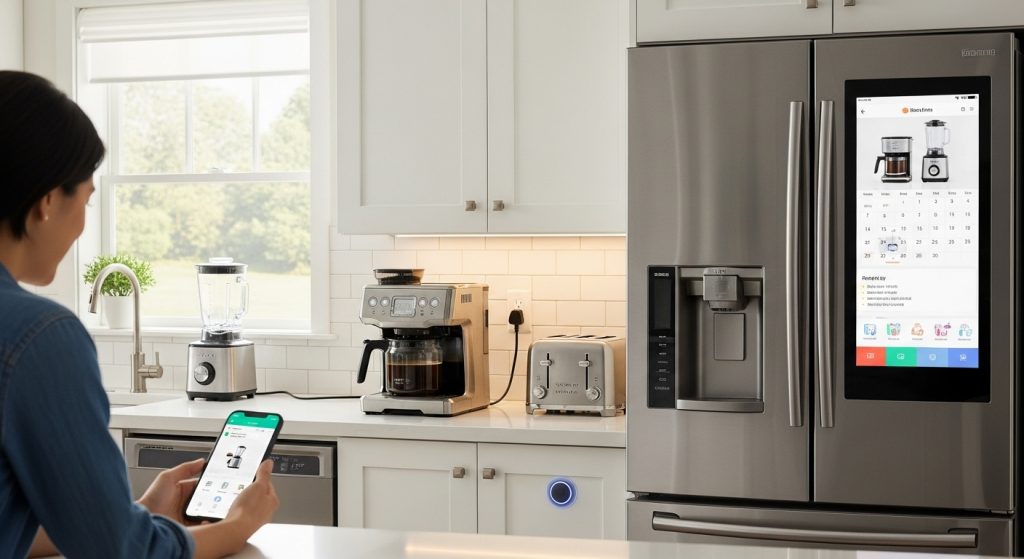
Choosing the right smart home automation app can transform your home from a collection of gadgets into a unified, intelligent ecosystem.
- For simplicity & voice control: go with Amazon Alexa or Google Home.
- For privacy & seamless Apple integration: pick Apple Home.
- For customization & advanced automation: try Home Assistant or SmartThings.
- For creative connections: use IFTTT to link apps and devices.
Before buying your next device, check its compatibility with your chosen platform—this step will save you frustration later. With the right app in place, 2025 can be the year your home becomes smarter, safer, and simpler.
The responses below are not provided, commissioned, reviewed, approved, or otherwise endorsed by any financial entity or advertiser. It is not the advertiser’s responsibility to ensure all posts and/or questions are answered.